Springfield, MO Real Estate Market Update: Fewer Sales, Rising Prices in June 2026
If you’re buying or selling a home in the Springfield, MO area, national headlines about the housing market may be doing you more harm than good. The real story lives in local data — and the June 2026 numbers for Greene, Christian, and Webster County tell a surprisingly nuanced story. This post breaks down exactly what sold, for how much, and how fast, so you can make a confident, informed decision.
How Many Homes Sold in the Springfield Area in June 2026?
654 homes closed in Greene, Christian, and Webster County in June 2026, compared to 678 in June 2025 — a decline of roughly 3.5% year over year. That modest dip in transaction volume is why many local agents describe the market as feeling a bit slower. Fewer closings means less activity for agents and buyers alike, but it does not mean prices are falling.
Are Home Prices Still Rising in the Springfield, MO Market?
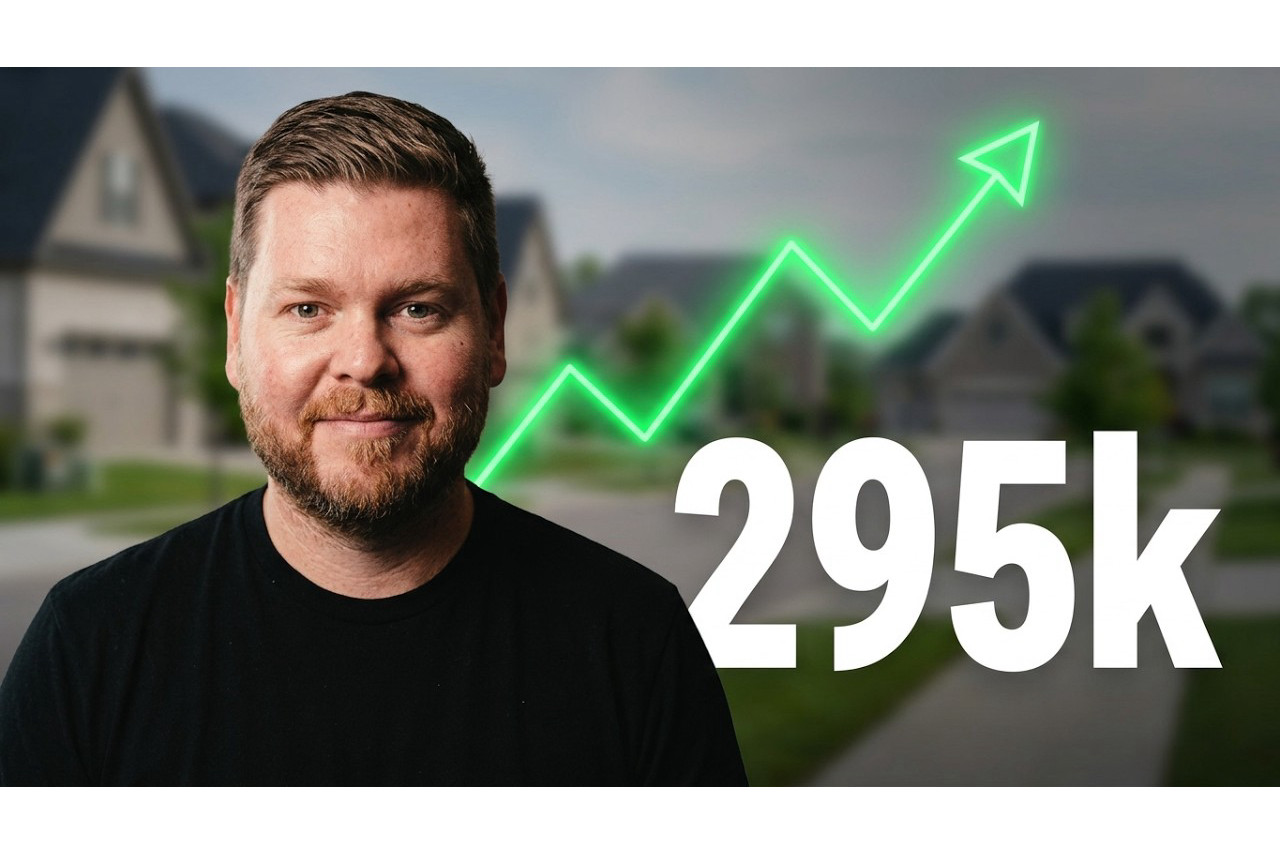
Yes — despite fewer sales, home prices in the 417 area continued to climb in June 2026. The median sale price rose from $290,000 in June 2025 to $295,000 in June 2026, a 1.7% increase. The average sale price climbed even more, from $328,000 to $342,000 — a 4.3% jump that pushed overall sales volume up more than 1% year over year even with fewer transactions closing.
How Long Does It Take to Sell a Home in Springfield Right Now?
The average days on market in Greene, Christian, and Webster County was 36 days in June 2026, down slightly from 38 days in June 2025. Sellers should plan for a realistic window of 30 to 60 days on market, especially if they are targeting a premium price point. Homes that go under contract faster than 30 days are often priced aggressively or benefit from unique buyer demand — not necessarily a sign that the broader market has heated up.
Why National Real Estate News Doesn’t Tell the Springfield Story
National media coverage tends to paint the housing market with a broad brush, but conditions on the coasts, in the Northeast, and in the Midwest differ dramatically. The 417 area — Springfield and surrounding Greene, Christian, and Webster counties — has its own local economy, inventory levels, and buyer pool that rarely mirror national averages. Relying on national headlines instead of local stats can cause sellers to overprice, buyers to hesitate unnecessarily, or both parties to misread their true negotiating position.
How Does Today’s Market Compare to the COVID-Era Boom?
The 2020–2022 market was an outlier, not a baseline. During that period, homes in the Springfield area routinely sold within days of listing, often with multiple offers above asking price. Today’s 36-day average and steady — but not explosive — price growth reflects a more balanced market. Sellers who benchmark against 2021 are likely to be disappointed; sellers who benchmark against June 2025 data will find the market is holding up well.
Frequently Asked Questions
What is the median home sale price in Springfield, MO as of June 2026?
The median sale price in Greene, Christian, and Webster County was $295,000 in June 2026, up 1.7% from $290,000 in June 2025.
How long does it take to sell a house in the Springfield, MO area?
As of June 2026, the average days on market in the 417 area is 36 days, with most homes selling somewhere between 30 and 60 days depending on price point and condition.
Are home prices going up or down in Springfield, MO?
Home prices are going up. The average sale price in Greene, Christian, and Webster County rose 4.3% year over year, from $328,000 in June 2025 to $342,000 in June 2026.
Did home sales increase or decrease in the Springfield area in 2026?
Home sales volume by transaction count decreased slightly — 654 homes sold in June 2026 compared to 678 in June 2025, a drop of about 3.5%. However, total sales volume in dollars was up more than 1% due to rising prices.
Should I rely on national real estate news when buying or selling in Springfield, MO?
No — national housing data rarely reflects local conditions in the 417 area. The Springfield, MO market has its own inventory, pricing trends, and buyer demand that can differ significantly from coastal or Northeast markets covered in national headlines.

About Stefan Bunch
Stefan Bunch is the Owner and CEO of Elevate Real Estate Group in Springfield, Missouri, where he’s also a top-producing agent in both residential and commercial real estate with more than $100 million in career sales. A Rogersville, Missouri native and former family pastor at Praise Assembly, Stefan leads with a simple standard: service over self.