
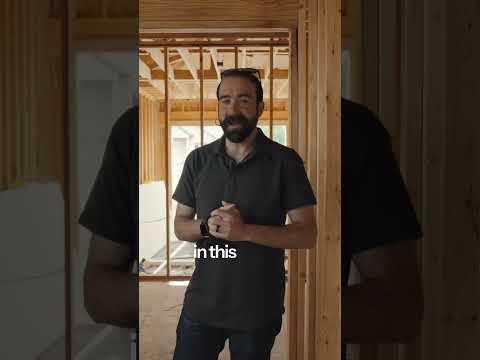
The Rough-In Phase Explained: What Every New Construction Buyer Must Inspect Before Walls Close Up
Most new construction buyers get excited about countertops and cabinet finishes — but the decisions that protect your investment happen long before any of that. The rough-in phase is a narrow window in the building process where everything behind your walls is visible, adjustable, and open for inspection. This post breaks down exactly what the rough-in phase is, why it matters, and what a smart buyer should be looking for at every turn.
What Is the Rough-In Phase in New Construction?
The rough-in phase is the stage of construction when your builder installs all the systems that will eventually be hidden behind your walls and floors — including HVAC ductwork, plumbing supply and drain lines, and electrical wiring. Nothing is finished or covered yet, which is precisely what makes this phase so valuable. Think of it as the skeleton of your home’s infrastructure: hot and cold supply lines, drain lines, conduit runs, and structural framing elements like king studs and header boards are all exposed and verifiable before drywall seals them away permanently.
Why Should You As the Buyer Be Present During Rough-In?
The rough-in phase is your single best opportunity to confirm that the layout of your home matches what you actually want — and to request changes before they become expensive fixes. Small details that seem minor on a blueprint become significant in real life: an outlet positioned on the wrong side of a doorway, a plumbing stub-out that’s off-center from where your vanity will sit, or a drain line that doesn’t align with your planned shower pan. Catching these issues now means a quick conversation with your builder; catching them after drywall means a costly change order.
What Should You Inspect Around Windows During the Rough-In?
Windows are one of the most expensive components in a new build, and the rough-in phase is when you can verify the structural work supporting them has been done correctly. Specifically, look at the king studs and header boards framing each window opening — these structural elements distribute the load around the window and prevent the settlement cracks that can appear when framing is improperly executed. Catching a compromised header or a missing king stud now costs far less to correct than dealing with wall cracking, sticking windows, or water infiltration years down the road.
What Does Plumbing Rough-In Look Like, and Why Does It Matter?
During plumbing rough-in, you’ll see pipes emerging from the subfloor and walls — these stubs represent exactly where your fixtures will land, including sinks, toilets, and showers. Each location will have hot and cold supply lines paired with a drain line, and verifying their placement now ensures your finished bathroom layout will work as designed. The master shower, for example, requires a properly set shower pan with sealed plumbing underneath — a detail that is easy to confirm at rough-in but virtually impossible to assess once tile is down.
How Do HVAC and Electrical Rough-In Affect Your Daily Life in the Finished Home?
HVAC, electrical, and plumbing are the systems you interact with every single day — even though you’ll never see them again after the walls close. Wiring runs are staged at rough-in to serve specific circuits, outlets, and fixtures, meaning this is the moment to confirm switch placements, outlet counts in each room, and duct positioning that will affect how evenly your home heats and cools. Builders who rush or cut corners during rough-in create problems that don’t surface until after closing — sometimes years later — making your presence and attention during this phase a direct investment in long-term peace of mind.
How Can a Real Estate Agent Help You Navigate the New Construction Process?
An experienced new construction agent understands the building timeline and knows exactly which phases — like rough-in — require your attention before the window to make changes closes. Unlike a builder’s sales representative, whose job is to represent the builder, your agent’s job is to represent you: flagging concerns, advising on inspection timing, and making sure you’re getting everything you’ve paid for executed correctly. Having that advocate in your corner at critical milestones like rough-in can be the difference between a dream home and an expensive lesson.
Frequently Asked Questions
What is the rough-in phase of new construction?
The rough-in phase is the construction stage when systems like HVAC, plumbing, and electrical are installed inside the walls and floors before drywall covers them. It includes components such as hot and cold supply lines, drain lines, electrical wiring runs, and ductwork — all the infrastructure that will be hidden in the finished home.
Can I request changes to my home’s layout during the rough-in phase?
Yes — the rough-in phase is actually the ideal time to request layout adjustments, such as moving an outlet, repositioning a plumbing stub-out, or adjusting a duct run. Making changes at this stage is significantly less costly than doing so after drywall has been installed.
What structural elements should I look for around windows during rough-in?
When inspecting windows at rough-in, look for king studs and header boards, which are the structural framing components that support the load above each window opening. If these are missing or improperly installed, it can lead to settlement cracks and window performance issues after the home is completed.
Why is the shower pan important to check during rough-in?
The shower pan and its underlying plumbing are installed during rough-in, and this is the only time you can verify the pan is properly sealed and the drain is correctly positioned before tile conceals everything. Improper sealing discovered after tile installation can require a full shower demo to repair, making a rough-in check a critical step for any master bathroom.
Do I need a real estate agent when building a new construction home?
Yes — having a buyer’s agent when building new construction is strongly recommended because the builder’s sales team represents the builder’s interests, not yours. An agent who understands the construction process can advise you at key phases like rough-in, review contracts, and ensure you receive what you’ve paid for at every stage of the build.
{“@context”:”https://schema.org”,”@type”:”FAQPage”,”mainEntity”:[{“@type”:”Question”,”name”:”What is the rough-in phase of new construction?”,”acceptedAnswer”:{“@type”:”Answer”,”text”:”The rough-in phase is the construction stage when systems like HVAC, plumbing, and electrical are installed inside the walls and floors before drywall covers them. It includes components such as hot and cold supply lines, drain lines, electrical wiring runs, and ductwork — all the infrastructure that will be hidden in the finished home.”}},{“@type”:”Question”,”name”:”Can I request changes to my home’s layout during the rough-in phase?”,”acceptedAnswer”:{“@type”:”Answer”,”text”:”Yes — the rough-in phase is actually the ideal time to request layout adjustments, such as moving an outlet, repositioning a plumbing stub-out, or adjusting a duct run. Making changes at this stage is significantly less costly than doing so after drywall has been installed.”}},{“@type”:”Question”,”name”:”What structural elements should I look for around windows during rough-in?”,”acceptedAnswer”:{“@type”:”Answer”,”text”:”When inspecting windows at rough-in, look for king studs and header boards, which are the structural framing components that support the load above each window opening. If these are missing or improperly installed, it can lead to settlement cracks and window performance issues after the home is completed.”}},{“@type”:”Question”,”name”:”Why is the shower pan important to check during rough-in?”,”acceptedAnswer”:{“@type”:”Answer”,”text”:”The shower pan and its underlying plumbing are installed during rough-in, and this is the only time you can verify the pan is properly sealed and the drain is correctly positioned before tile conceals everything. Improper sealing discovered after tile installation can require a full shower demo to repair, making a rough-in check a critical step for any master bathroom.”}},{“@type”:”Question”,”name”:”Do I need a real estate agent when building a new construction home?”,”acceptedAnswer”:{“@type”:”Answer”,”text”:”Yes — having a buyer’s agent when building new construction is strongly recommended because the builder’s sales team represents the builder’s interests, not yours. An agent who understands the construction process can advise you at key phases like rough-in, review contracts, and ensure you receive what you’ve paid for at every stage of the build.”}}]}